Philanthropy & Funding
After the Big Bet
Four funding pathways doers are pursuing to sustain resources and impact following the big bet.

Four funding pathways doers are pursuing to sustain resources and impact following the big bet.
How have nonprofits adapted their strategies to help mitigate climate change? How can donors best support climate solutions? Leaders from the One Acre Fund and The Nature Conservancy discuss how climate change is shaping their work and ways philanthropy can step in with catalytic funding. A sponsored podcast developed with the support of DAFgiving360
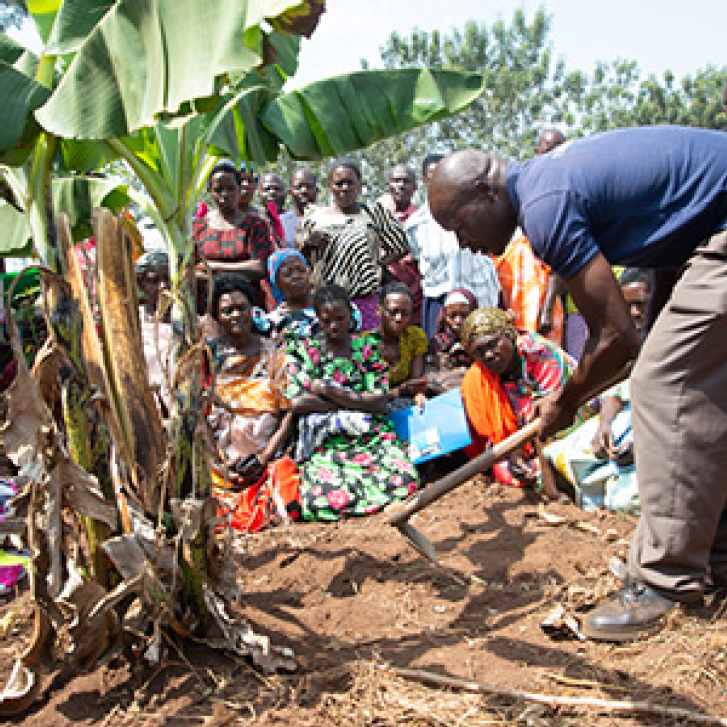
A reflection on how a set of strategies related to target-setting, financial modeling, program measurement, and organizational culture helped one organization reach a major milestone.

Social return on investment is an underutilized yet surprisingly flexible tool for making strong resource allocation decisions that maximize nonprofit impact.
There’s a set of common questions every direct-service nonprofit should answer to maximize learning, action, and impact.

There are conditions under which nonprofits, even those pursuing transformative scale, will find commitment strategies—rather than exit strategies—to be the right answer for their direct service programs.
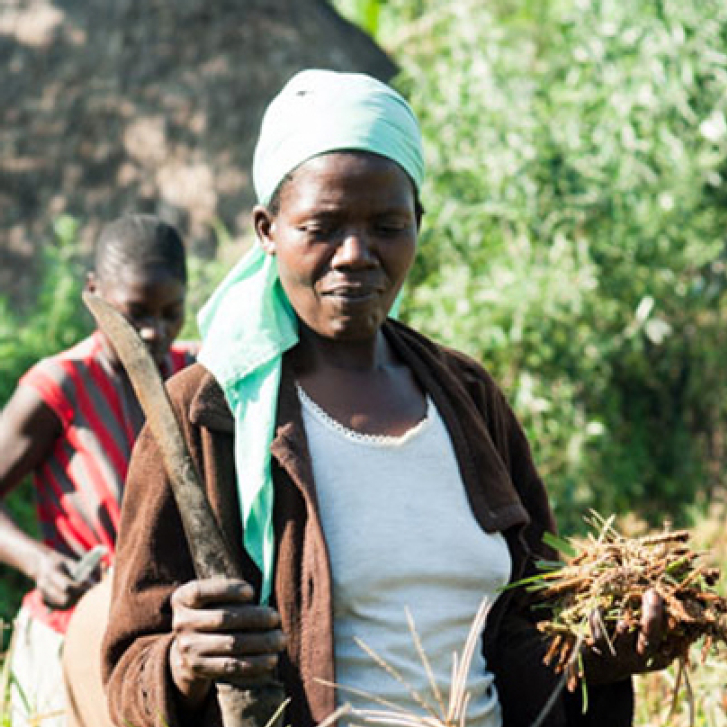
Using a social return on investment framework, organizations can estimate the future impact, cost, and scale of programs before they begin, and allocate resources for greater impact.
If we want to achieve all 17 Sustainable Development Goals, we need to start at the bottom of the list.
The real competitive advantage of social enterprise, compared to traditional charities isn’t revenue generation—it’s the ability to focus on fewer things.
Why mission-driven organizations need a more nuanced understanding of why and how impact may fluctuate over time.